
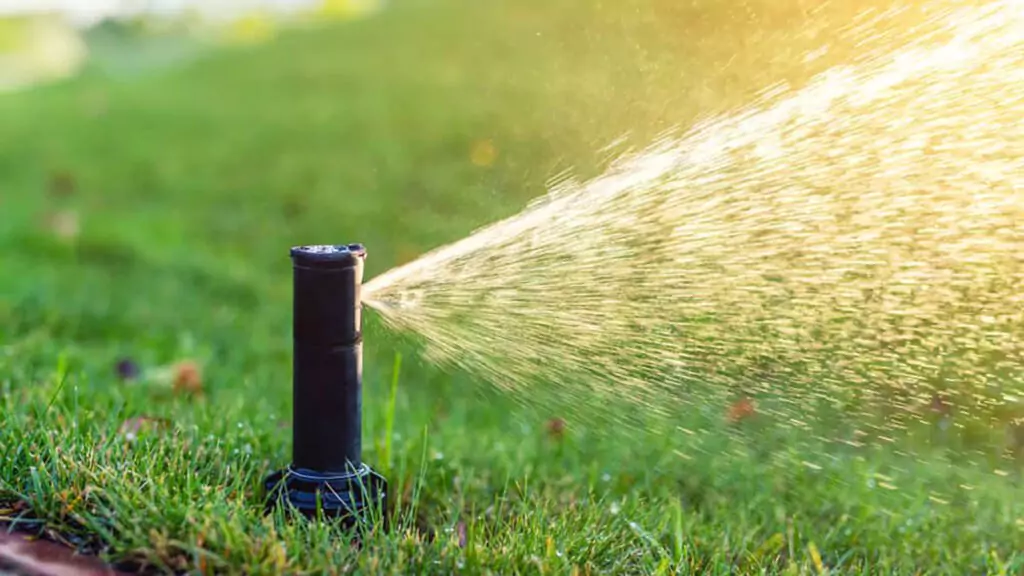
Intro
When it comes to maintaining a lush and vibrant lawn, the best way to water your lawn without a sprinkler system is a topic of paramount importance. Whether you’re aiming to conserve water, explore alternative methods, or simply seek efficient ways to keep your grass healthy, understanding the various techniques and strategies can make a significant difference in achieving your goals. In this comprehensive guide, we’ll delve into the realm of lawn irrigation, focusing on ingenious methods that can help you nurture your lawn’s well-being without relying on traditional sprinkler systems. From exploring the benefits of drip irrigation to discovering the art of precise hand watering, we’ll uncover a multitude of options that cater to different needs and preferences. Join us as we dive into the world of water-wise lawn care, where innovation and sustainability converge to bring you the best way to water your lawn without a sprinkler system.
Watering Methods:
Keyword Cluster | Keyword | Search Intent | Title | Meta Description |
Watering Methods | Drip irrigation for lawn | Informational | Exploring Drip Irrigation for Your Lawn | Discover the benefits of drip irrigation for lawns. Learn how this efficient method can keep your lawn lush without a sprinkler system. |
Soaker hoses for watering | Informational | Using Soaker Hoses to Water Your Lawn | Learn about soaker hoses as an alternative to sprinklers. Find out how to effectively use them for watering your lawn and conserving water. | |
Hand watering techniques | Informational | Mastering Hand Watering for Your Lawn | Discover expert tips for hand watering your lawn. Achieve even watering coverage without a sprinkler system and maintain a healthy, green yard. | |
Hose nozzle techniques | Informational | Best Hose Nozzle Practices for Lawn Care | Enhance your lawn care routine using hose nozzles. Learn techniques to efficiently water your lawn without a sprinkler system and achieve optimal growth. |
Irrigation methods:
DIY gravity-fed irrigation | Informational | Building a DIY Gravity-Fed Watering System | Explore a gravity-fed irrigation system for your lawn. Learn how to set up a cost-effective solution to water your yard without relying on a sprinkler system. | |
Water Conservation | Xeriscaping your lawn | Informational | Xeriscaping: Water-Efficient Lawn Solutions | Discover xeriscaping to conserve water while maintaining a vibrant lawn. Explore water-efficient landscaping techniques as an alternative to traditional watering. |
Collecting rainwater for lawn use | Informational | Harvesting Rainwater for Your Lawn | Learn how to collect and utilize rainwater for lawn watering. Discover sustainable practices that can help you maintain your lawn without a sprinkler system. | |
Native drought-resistant plants | Informational | Choosing Native Plants for a Resilient Lawn | Explore native plant options for a drought-resistant lawn. Learn how to create a low-maintenance landscape that thrives without constant sprinkler watering. | |
Mulching benefits for water retention | Informational | Mulching Strategies to Retain Lawn Moisture | Learn the importance of mulching in lawn care. Discover how mulch can improve water retention, reduce evaporation, and promote a healthy lawn. |
Equipment & Tools | Oscillating sprinkler alternatives | Informational | Exploring Alternatives to Oscillating Sprinklers | Tired of traditional sprinklers? Discover effective alternatives that ensure proper lawn hydration without a standard sprinkler system. |
Garden hose reels for easy storage | Informational | Simplify Lawn Care with Garden Hose Reels | Keep your lawn neat and organized. Learn about garden hose reels that make lawn maintenance convenient and how to water your lawn without a sprinkler system. | |
Watering cans for targeted hydration | Informational | Precise Lawn Watering with Watering Cans | Upgrade your lawn watering routine with watering cans. Explore techniques to provide targeted hydration to your lawn without relying on sprinklers. | |
Lawn moisture meters for tracking | Informational | Monitoring Lawn Moisture with Moisture Meters | Take control of lawn watering. Discover how moisture meters can help you track soil moisture levels and ensure proper hydration without using a sprinkler system. | |
Watering Schedule | Early morning lawn watering | Informational | The Benefits of Early Morning Lawn Watering | Learn about the advantages of watering your lawn in the early morning. Discover how this timing can promote healthier grass growth without a sprinkler system. |
Evening lawn watering | Informational | Evening Watering: Is It Good for Your Lawn? | Explore the pros and cons of evening lawn watering. Learn how to effectively water your lawn during the evening hours without relying on a sprinkler system. |
Troubleshooting methods:
Lawn watering frequency tips | Informational | Finding the Right Watering Frequency | Achieve the ideal watering frequency for your lawn. Discover expert tips to maintain soil moisture and grass health without a sprinkler system. | ||
Seasonal adjustments for lawn watering | Informatio nal | Adapting Your Lawn Watering to Seasons | Learn how to adjust your lawn watering strategy based on seasonal changes. Explore techniques to keep your lawn thriving throughout the year without a sprinkler system. | ||
Troubleshooting | Brown spots due to uneven watering | Informational | Preventing Brown Spots from Uneven Watering | Say goodbye to brown spots! Discover how to identify and address uneven watering issues, ensuring a green and vibrant lawn without relying on sprinklers. | |
Overwatering vs. underwatering | Informational | The Balancing Act of Lawn Watering | Learn the art of proper lawn watering. Understand the differences between overwatering and underwatering and how to strike the right balance without a sprinkler system. |
Dealing with dry patches and soil drainage
Dealing with dry patches | Informational | Reviving Dry Patches on Your Lawn | Is your lawn suffering from dry patches? Explore effective solutions to revive these areas and maintain an evenly hydrated, lush lawn without a sprinkler system. | |
Assessing soil drainage for lawns | Informational | Improving Lawn Drainage for Healthy Growth | Learn about the importance of soil drainage. Discover how to assess and enhance your lawn’s drainage to prevent waterlogging and maintain a vibrant lawn. |
Best Way to Water Your Lawn Without a Sprinkler System Introduction
Maintaining a lush, green lawn is a homeowner’s dream, but achieving it without a sprinkler system can be a challenge. In this article, we’ll explore the best way to water your lawn without a sprinkler system, diving into various innovative methods that cater to different preferences and needs. From drip irrigation to hand watering techniques, we’ll uncover the secrets to keeping your lawn healthy and vibrant. Let’s embark on a journey to discover water-wise lawn care solutions that will transform your outdoor space.
1. Drip Irrigation for Lawn: The Efficient Solution
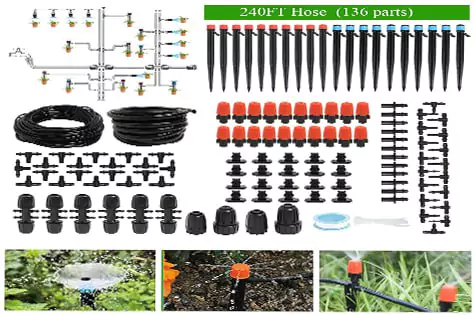
Drip irrigation has emerged as a game-changer for lawn care. Unlike traditional sprinklers that waste water due to overspray and evaporation, drip irrigation delivers water directly to the roots. This method minimizes water loss and maximizes efficiency, ensuring your lawn gets the hydration it needs without excessive water usage.
Guideline:
- Install a drip irrigation system with tubing and emitters.
- Place the tubing along the base of plants, ensuring even spacing.
- Adjust the water flow based on plant water requirements.
- Regularly check for clogs and maintain the system.
2. Soaker Hoses for Watering: Slow and Steady Hydration
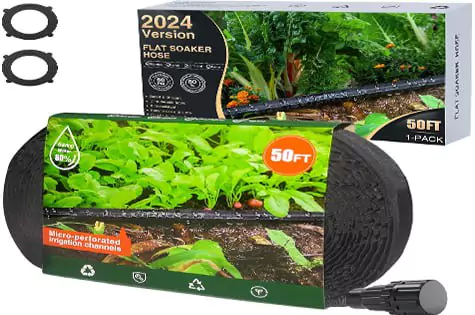
Soaker hoses offer another effective way to water your lawn without a sprinkler system. These hoses ooze water along their length, providing slow and even hydration to the soil. By placing them strategically, you can ensure that every inch of your lawn receives the necessary moisture, preventing dry patches and promoting uniform growth.
Guideline:
- Lay the soaker hoses along the desired watering zones.
- Connect the hoses to a water source.
- Adjust water pressure for even soaking along the hoses.
- Regularly inspect for leaks or damage.
3. Hand Watering Techniques: Personalized Care

When it comes to precision, hand watering techniques take the lead. Using a watering can or hose nozzle, you can target specific areas that require extra attention. This approach allows you to adjust the water flow based on the needs of your lawn, making it an ideal choice for maintaining a healthy and thriving outdoor space.
Guideline:
- Use a watering can or hose with a spray nozzle.
- Direct the water at the base of plants, avoiding foliage.
- Adjust the water flow based on plant needs.
- Water early in the morning or in the evening for best results.
4. Hose Nozzle Techniques: Customizable Watering
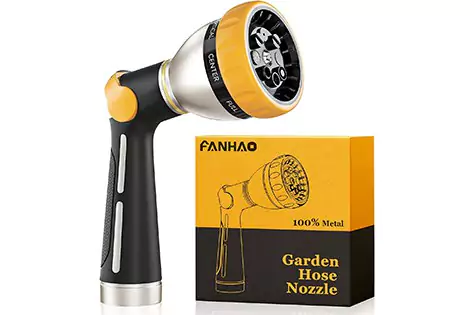
Hose nozzles are versatile tools that empower you to tailor your lawn watering routine. Whether you need a gentle mist for delicate seedlings or a stronger spray for established grass, hose nozzles provide the flexibility to meet your lawn’s unique requirements. This ensures efficient water distribution without the need for a sprinkler system.
Guideline:
- Attach a hose nozzle to your garden hose.
- Choose the appropriate spray pattern (jet, mist, shower, etc.).
- Adjust water pressure for precise watering.
- Use nozzle techniques for targeted watering of specific areas.
5. DIY Gravity-Fed Irrigation: Resourceful Watering
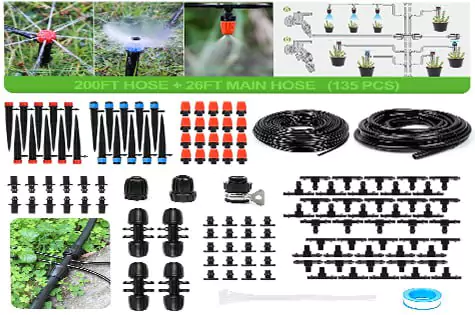
For those seeking a budget-friendly option, DIY gravity-fed irrigation systems offer a creative solution. By using elevated containers or rain barrels, you can harness the power of gravity to deliver water to your lawn. This method not only conserves water but also minimizes your reliance on traditional sprinkler systems.
Guideline:
- Set up elevated containers or rain barrels.
- Attach hoses to containers and position them strategically.
- Allow gravity to provide water flow to your lawn.
- Regularly check the water level in containers and adjust as needed.
6. Xeriscaping Your Lawn: Water-Efficient Landscaping

Xeriscaping is a landscaping approach that prioritizes water conservation. By incorporating drought-resistant plants, mulch, and efficient irrigation techniques, you can create a stunning and low-maintenance lawn. Xeriscaping not only saves water but also adds a touch of beauty to your outdoor space.
Guideline:
- Research native drought-resistant plants suitable for your region.
- Group plants based on water needs and sun exposure.
- Prepare well-draining soil and incorporate mulch.
- Water newly planted xeriscape areas until established.
7. Collecting Rainwater for Lawn Use: Nature’s Gift

Rainwater harvesting presents a sustainable way to water your lawn. By installing rain barrels, you can collect and store rainwater for later use. This natural resource is free from chemicals and minerals, making it an excellent choice for nurturing your lawn without relying on a sprinkler system.
Guideline:
- Install rain barrels beneath downspouts.
- Ensure proper collection and filtration of rainwater.
- Connect a hose to the barrels for distribution.
- Use collected rainwater to water your lawn during dry spells.
8. Native Drought-Resistant Plants: Adapting to Your Environment

Choosing native plants that are adapted to your region’s climate can significantly reduce water consumption. These plants are naturally resilient to local conditions, requiring less maintenance and irrigation. Incorporating native species into your lawn not only conserves water but also promotes ecological balance.
Guideline:
- Research and select native plants adapted to your climate.
- Prepare planting areas with well-amended soil.
- Water new plantings until they establish roots.
- Maintain with occasional deep watering during prolonged dry periods.
9. Mulching Benefits for Water Retention: Keeping Moisture In


Mulching is a simple yet effective technique to retain soil moisture. A layer of mulch around plants and on bare spots prevents water evaporation, regulates soil temperature, and suppresses weed growth. By conserving moisture, mulching ensures your lawn remains well-hydrated without the constant need for sprinkler systems.
Guideline:
- Apply organic mulch around plants, leaving space near stems.
- Maintain a mulch layer of 2-4 inches.
- Replenish mulch as it decomposes.
- Water plants deeply before applying mulch.
10. Oscillating Sprinkler Alternatives: Exploring Variations

While we’re focusing on alternatives to sprinkler systems, it’s worth exploring different sprinkler types. Oscillating sprinkler alternatives provide targeted water distribution, reducing waste and overspray. These options enable you to water your lawn efficiently without relying on a conventional sprinkler setup.
Guideline:
- Consider stationary sprinklers, soaker hoses, or drip systems.
- Position these alternatives strategically for even coverage.
- Adjust water flow and positioning based on lawn layout.
11. Garden Hose Reels for Easy Storage: Convenience Matters

Maintaining a well-organized lawn care routine is essential. Garden hose reels not only keep your hoses tangle-free but also offer a hassle-free storage solution. By properly storing your garden hose, you ensure its longevity and streamline your watering process, making lawn care simpler and more efficient.
Guideline:
- Install a hose reel in a convenient location.
- Wind the hose around the reel after use to prevent tangling.
- Store the hose in a shaded area to prolong its lifespan.
12. Watering Cans for Targeted Hydration: Precise Nurturing
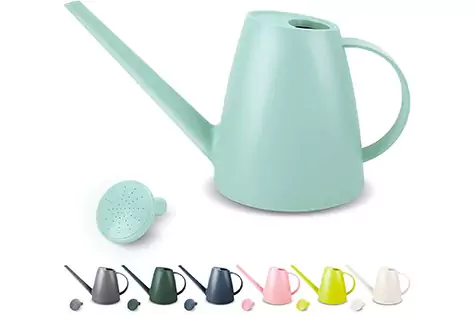
Watering cans are valuable tools for nurturing individual plants and small areas. Their controlled pour allows for precise watering, preventing water wastage and promoting efficient hydration. Utilizing watering cans enables you to provide personalized care to your lawn without resorting to sprinkler systems.
Guideline:
- Fill watering cans with water.
- Gently pour water at the base of plants.
- Use watering cans to provide individualized care.
13. Lawn Moisture Meters for Tracking: Informed Watering
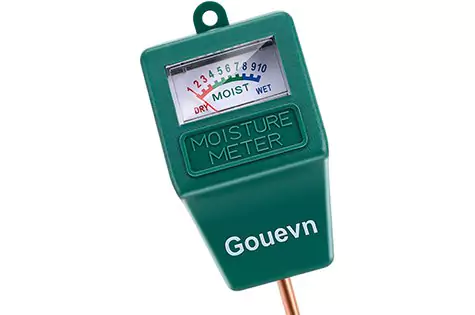
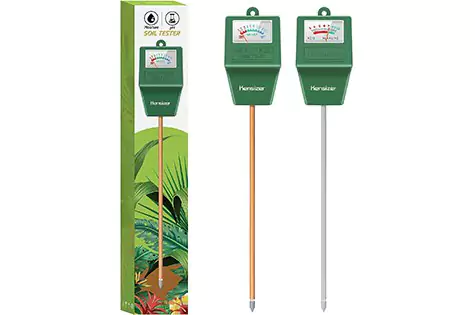
Monitoring your lawn’s moisture levels is key to effective irrigation. Lawn moisture meters help you gauge when it’s time to water and when it’s best to wait. By making informed decisions based on actual data, you can ensure optimal hydration without the guesswork associated with traditional sprinkler systems.
Guideline:
- Insert the moisture meter into the soil.
- Check the reading to determine soil moisture level.
- Water when the meter indicates dryness.
14. Early Morning Lawn Watering: The Golden Hour
15. Evening Lawn Watering: Nurturing Through Twilight
While morning is preferred, evening watering also has its advantages. As the sun sets, temperatures drop, and winds calm down, reducing water loss through evaporation. However, it’s crucial to water early enough to allow your lawn to dry before nightfall, preventing fungal growth.
Guideline:
- Water your lawn in the evening, shortly before sunset.
- Ensure your lawn has time to dry before nightfall.
- Avoid watering too late, as extended moisture can lead to fungal issues.
Conclusion
Maintaining a lush and healthy lawn without a sprinkler system is indeed achievable. By embracing innovative methods such as drip irrigation, soaker hoses, and hand watering techniques, you can provide your lawn with the care it deserves. Whether you choose to collect rainwater, explore xeriscaping, or simply adjust your watering schedule, the options are abundant. As you implement these strategies, you’ll witness the transformation of your outdoor space into a thriving oasis. Remember, water-wise lawn care not only conserves this precious resource but also enhances the beauty and vitality of your home.
FAQs
- Can I use a combination of these methods for my lawn?
Absolutely! In fact, combining various techniques can provide optimal results. Experiment and find the perfect balance for your lawn’s needs.
- Will xeriscaping make my lawn look barren?
Not at all. Xeriscaping involves selecting plants that thrive in your region’s conditions, creating a stunning and vibrant landscape.
- How do I prevent overwatering my lawn?
Using a moisture meter and understanding your lawn’s water needs will help you avoid overwatering. Stick to the recommended watering schedule.
- Can I still have a beautiful lawn with native drought-resistant plants?
Definitely. Native plants offer beauty, adaptability, and water efficiency. Research local options that enhance your lawn’s aesthetics.
- Is hand watering time-consuming?
Hand watering can be tailored to your schedule and needs. It may take slightly longer, but the results are worth the effort.
bbestforu@, Lawn and Garden Editor
Compiles and verifies manufacturer specs, owner reviews and lab data for this category. Does not claim hands-on testing of the products covered.